The Art of Layering Scents: How to Create Candle Combos
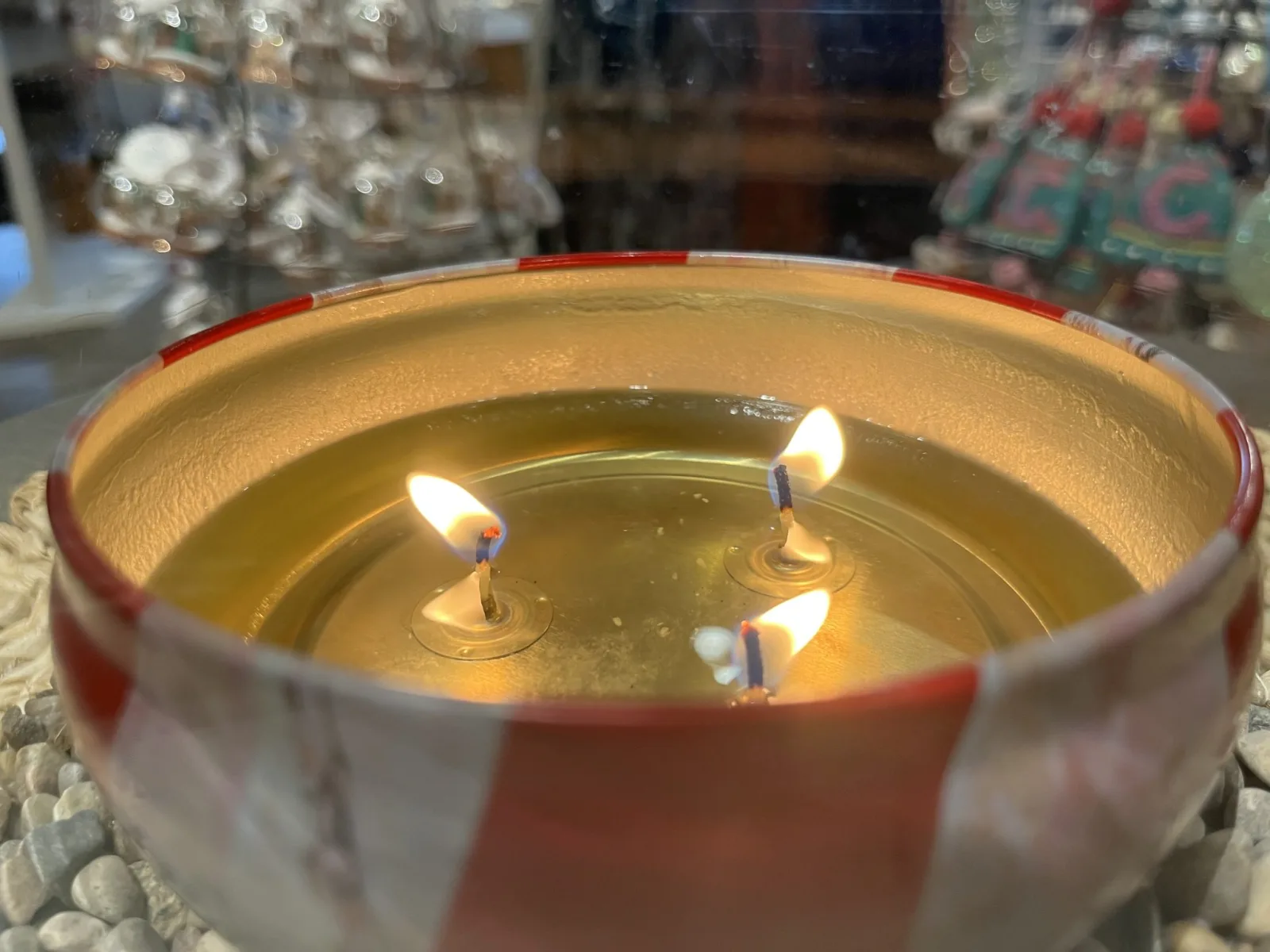
Discover how to combine different candle scents to create your own unique aroma.
Introduction to Scent Layering
Candles are wonderful tools for crafting moods and setting a warm atmosphere. One way to elevate your candle experience is by layering different scents to create unique and complex aromas. This guide will show you how to achieve the perfect fragrance blend.
Understanding Candle Fragrance Families
Before diving into layering, it's essential to understand the different fragrance families. Here are the primary categories:
- Floral: Soft, sweet, and romantic scents like lavender or rose.
- Citrus: Fresh and bright aromas such as lemon or grapefruit.
- Woody: Earthy and rich fragrances like sandalwood or cedar.
- Spicy: Warm and inviting scents such as cinnamon or clove.
- Gourmand: Sweet and indulgent aromas reminiscent of food, such as vanilla or caramel.
Selecting Complementary Scents
The key to successful scent layering is to choose fragrances that complement each other. Here are some suggestions for combining scents:
- Pair woody scents with floral: A sandalwood candle combined with a jasmine scent can provide a perfect balance of earthiness and sweetness.
- Citrus pairs well with spicy: Lemon combined with cinnamon can create a refreshing yet warm atmosphere.
- Blend gourmand and floral: Vanilla mixed with lavender can lend a cozy yet calming vibe.
- Mix earthy and fresh: Cedarwood and rosemary together can evoke a serene forest-like space.
Tips for Layering Your Candles
Once you've selected your scents, follow these tips to create a harmonious blend:
- Start Small: Begin with one of each candle. Light them together to test how the scents interact.
- Adjust Ratios: If one scent overwhelms the other, adjust the ratio by adding more of the underwhelming candle.
- Time Your Burns: If using candles with different burn times, light the one with a shorter burn time first. This allows you to enjoy each scent fully.
- Interact with Your Space: Take note of the room’s environment, as scents can be affected by air circulation, furniture, and fabrics.
- Document Your Experiences: Keep a journal of your layering combinations and any notes about what worked well or what needs tweaking.
Creating Signature Blends
Over time, you might discover combinations that resonate with you, leading you to create your signature blends. Here’s how to do it:
- Experiment: Don’t be afraid to try unexpected combinations.
- Take Notes: Write down your blends and how they made you feel.
- Be Patient: Finding your perfect combination may take some time.
Conclusion
Candle layering is an art that can enhance your ambiance and personalize your space. By understanding fragrance families and utilizing complementary scents, you can create a harmonious and enjoyable candle experience that fits your mood and decor.